

As Luxury Dining Moves Home, One Texas Restaurant Is Rethinking What It Means to Host
SAN ANTONIO — From its roots along the San Antonio River to its place in dance halls, honky-tonks and ice chests across the state, Lone Star Beer has become one of Texas’ most recognizable cultural symbols. Its 142-year story includes two San Antonio breweries, a legendary brewing family, Pancho Villa, Willie Nelson and a giant armadillo with a taste for beer.
San Antonio beer historian and author Jeremy Banas brings those stories together in Lone Star Beer: A History of Two Iconic San Antonio Breweries, published by Arcadia Publishing’s The History Press. The book traces the history of the Lone Star name and how the brand became intertwined with Texas music, culture and identity.
“Lone Star Beer is more than a beer brand. It became part of the way Texas presented itself to the world,” Banas said. “Through music, memorable marketing and generations of loyal drinkers, Lone Star created a sense that if you were drinking one, you were part of Texas.”
The story begins in 1884, when local businessmen established the first Lone Star Brewing Company along the San Antonio River. The brewery later became associated with Anheuser-Busch founder Adolphus Busch before closing in 1919. Its historic complex is now home to the San Antonio Museum of Art.
A different brewery eventually revived the Lone Star name. Brewer Karl Haegelin moved his Sabinas Brewing Company from Mexico to San Antonio in 1933 after the brewery had survived an invasion and hostage-taking by Pancho Villa and his revolutionary forces. Following two reorganizations, Lone Star Brewing Company emerged and introduced the Lone Star Beer brand in 1940.
Over the decades, Lone Star grew from a regional competitor into one of the state’s most recognizable brands. Banas explores the influence of longtime brewery owner Harry Jersig, the beer’s connection to Texas musicians and the advertising campaigns that helped transform it into the self-proclaimed “National Beer of Texas.” Those campaigns included the famously mischievous giant armadillo that attacked Lone Star delivery trucks in search of the beer inside.
“If you ordered a longneck at a Texas dance hall, juke joint or honky-tonk, they knew exactly what to hand you,” Banas said. “That connection to music and place helped Lone Star become part of the Texas mythos.”
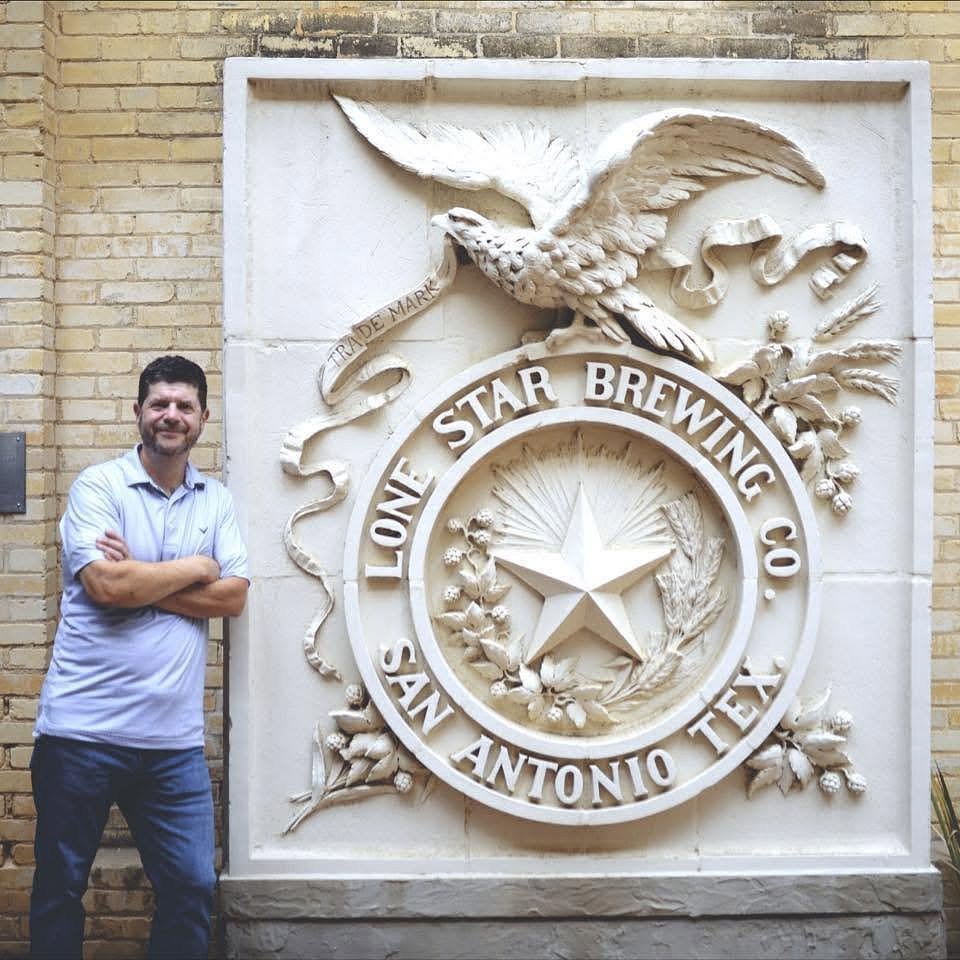
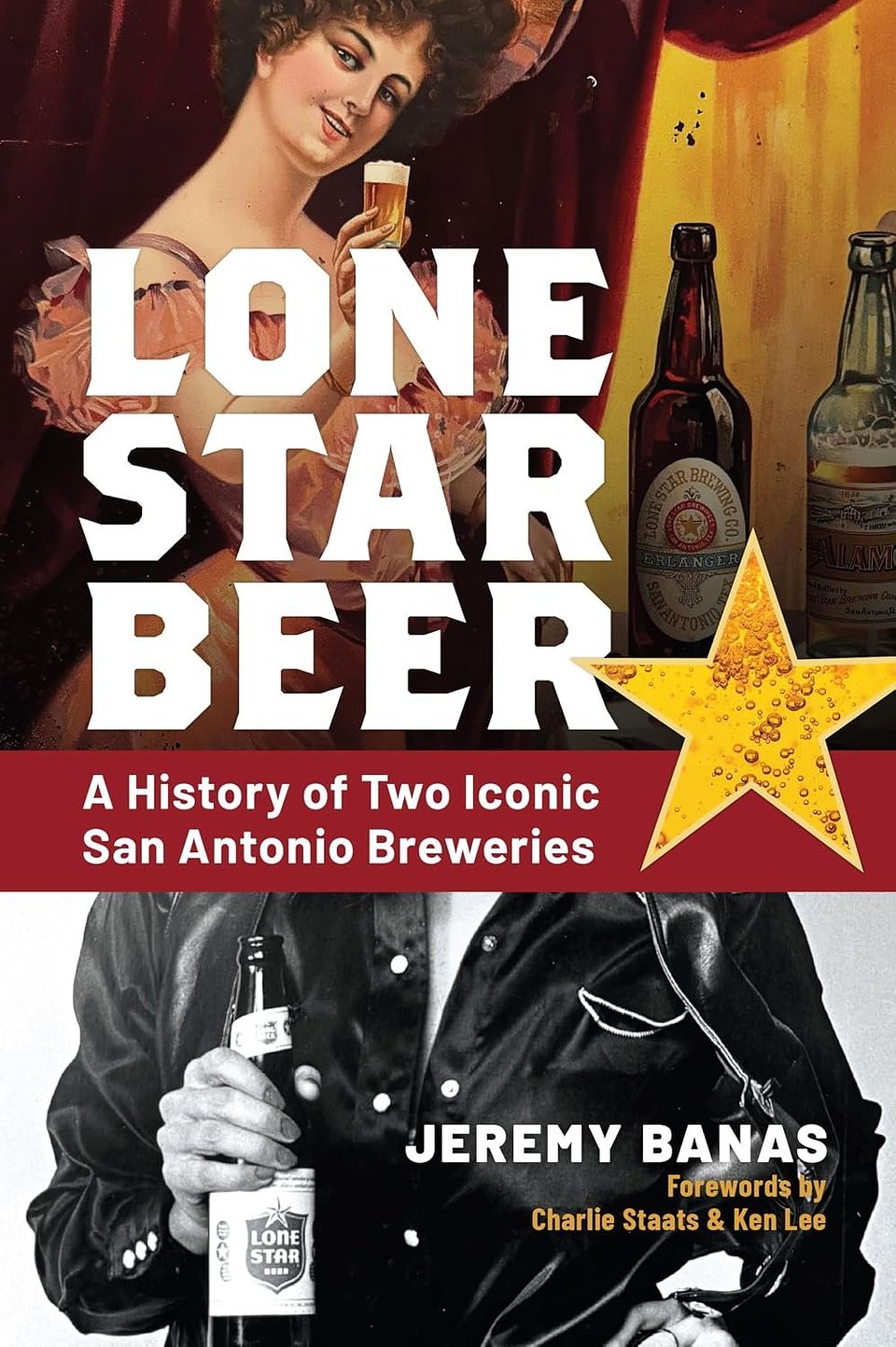
Lone Star Beer: A History of Two Iconic San Antonio Breweries offers a look at the people, business decisions, cultural moments and creative marketing that shaped the brand. The book will appeal to readers interested in San Antonio and Texas history, brewing, music, advertising and the stories behind iconic American brands.
Lone Star Beer: A History of Two Iconic San Antonio Breweries is available now. Purchase the book on Amazon or through Arcadia Publishing, or ask for it at your local independent bookstore.
Banas is available for television, radio, podcast and print interviews. He can discuss San Antonio’s brewing history, Lone Star Beer’s role in Texas culture, the brand’s most memorable marketing campaigns and the colorful personalities featured in the book. Historical images and a review copy may be available upon request.
About Jeremy Banas
Jeremy Banas is a San Antonio-based beer writer, journalist and historian whose work dates to 2007. He is the author of Pearl: A History of San Antonio’s Iconic Beer and Celis Beer: Born in Belgium, Brewed in Texas. He co-authored San Antonio Beer: Alamo City History by the Pint with Travis E. Poling. Lone Star Beer: A History of Two Iconic San Antonio Breweries is his latest book with The History Press.
| Jeremy Banas | |
Ruination Press 210-317-0782 jeremyb@ruinationpress.com | . |
